
Bend’s New Thermal Hotel Signals a Bigger Shift in Western Hospitality
A hotel room is no longer enough to make a property stand out.
Travelers are increasingly looking for experiences built around wellness, food, nature, and relaxation. A new thermal spa hotel under construction in Bend, Oregon, shows how developers are responding—and why the trend matters for Boise commercial real estate and Idaho resort markets.
According to reporting by Andy Peters in CoStar News, developer Solterra plans to open a 68-room Cascada hotel and thermal spa in Bend in 2028. Construction began in August 2026.
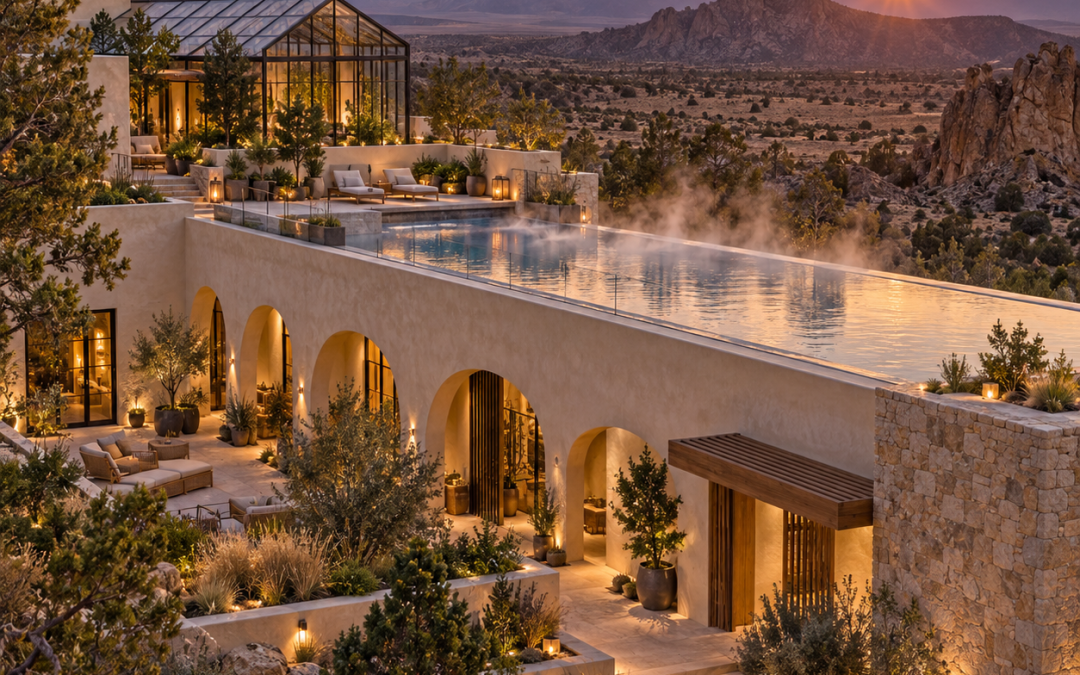
The development will combine boutique lodging with mineral pools, steam rooms, private bathing areas, a rooftop conservatory, and an upscale restaurant. Rather than competing on room count alone, Cascada is being designed as a destination within the destination.
Wellness Is Becoming a Hospitality Anchor
Cascada Bend will be the company’s second hotel and thermal spa. Its existing Portland property contains 100 rooms and has gained national attention as a wellness resort.
The Bend location will take the concept in a more intimate direction.
Water will serve as the central feature, even though Bend sits in Oregon’s high-desert region. The area receives relatively little annual rainfall, making the property’s pools, steam, and bathing experiences a deliberate contrast to the surrounding climate.
Plans call for an on-site treatment system that will take water from the municipal supply, filter it through reverse osmosis, and then add minerals. Guests will be able to use the treated water in thermal pools, bathing rooms, and steam areas.
A narrow rooftop soaking pool will stretch approximately 60 feet and offer views toward the Cascade Range. A glass conservatory with plants and indoor-outdoor spaces will add warmth and humidity to an otherwise dry setting.
The hotel is also expected to feature a high-end restaurant serving a blend of Japanese and Portuguese cuisine.
These features are not side amenities. They are central to the business plan.
Traditional hotel development typically begins with rooms and then adds a gym, restaurant, or pool. Cascada reverses that thinking. The wellness experience is the main attraction, while the rooms support a longer and more valuable guest stay.
That approach can create several sources of revenue:
- Overnight accommodations
- Day-use spa passes
- Food and beverage sales
- Wellness treatments
- Private bathing experiences
- Fitness or movement classes
- Events and group bookings
- Branded merchandise
Multiple revenue streams can help a hotel earn more from each guest and attract local customers who are not staying overnight.
Design Is Part of the Experience
Portland-based Hacker Architects designed the Bend property around the geology and natural character of Central Oregon.
The firm’s project description presents a guest journey that begins in sheltered, dimly lit spaces before opening onto rooftop pools, saunas, mountain views, and the high-desert sky.
The building will use natural materials, curved surfaces, limestone plaster, and sand-colored finishes. Native plants will help connect the landscaping to the surrounding environment.
This type of design is meant to create an emotional response, not simply an attractive building.
Guests move from enclosed spaces that feel quiet and protected into open areas with wide views. Water connects the different parts of the property. The contrast between dark interiors, warm pools, dry desert air, and mountain scenery becomes part of what the guest is paying to experience.
Cascada’s official Bend page confirms that the project is scheduled to open in 2028. The architect lists the development at approximately 120,000 square feet, while construction reporting has described a somewhat larger total project area. The final delivered size may depend on how different components are measured.
For developers, the broader lesson is that hospitality design can be a business tool. When architecture creates something guests remember and share, it can support stronger branding, repeat visits, and premium pricing.
But distinctive design also comes with additional costs. Thermal pools, water-treatment systems, rooftop amenities, saunas, conservatories, and restaurant space require specialized engineering and ongoing maintenance.
Investors must evaluate both sides of the equation: the higher revenue potential and the greater cost of operating a complex property.
What This Could Mean for Boise and Idaho
Bend shares several characteristics with Idaho’s growing recreation and resort markets. It attracts visitors interested in outdoor activities, mountain scenery, food, wellness, and a slower pace of travel.
That makes Cascada relevant to hotel and Boise development discussions.
A similar concept could potentially fit in markets such as Boise, McCall, Sun Valley, or other Idaho destinations, but the right location and operating model would be essential.
In Boise, a wellness-focused hotel could appeal to business travelers, weekend visitors, couples, conference guests, and local residents seeking spa access without an overnight stay. A project near downtown, the Greenbelt, or another established visitor district could combine hospitality with food, fitness, and wellness services.
In a resort market, the concept could become part of a larger mountain or lake experience. The ability to operate throughout the year would be important. Thermal amenities may help reduce dependence on a single season by giving visitors a reason to book during colder or slower periods.
For retail leasing in Boise, the wellness trend also creates opportunities outside hotels. Thermal bathing, recovery studios, saunas, massage, cold-plunge concepts, fitness businesses, and healthy food operators can become part of mixed-use projects or shopping centers.
However, these uses require careful site selection. Developers and landlords should consider:
- Water and sewer capacity
- Ventilation and humidity control
- Floor drains and waterproofing
- Mechanical and electrical demand
- Structural loads from pools and equipment
- Parking during peak periods
- Noise and privacy
- Health and safety regulations
- Maintenance and replacement costs
- Whether local demand extends beyond tourists
A wellness concept can generate strong traffic, but the build-out is usually more specialized than an ordinary retail or hotel space. Owners must understand how easily the property could be reused if the original operator leaves.
Local Insight: Sell the Experience, but Underwrite the Building
My take is that Cascada Bend reflects a larger shift in hospitality. Travelers increasingly want a story and an experience—not simply a clean room near an attraction.
That can be good news for independent hotels and regional developers. A smaller property may compete with a major hotel brand if it offers something distinctive enough to justify the trip and the price.
Still, a strong concept does not replace disciplined underwriting.
A thermal hotel has significant construction and operating demands. Pools, steam rooms, rooftop facilities, water treatment, restaurants, and conservatories can increase both revenue and risk. Developers must understand how much guests will pay, how often local residents will visit, and whether the project can maintain consistent demand throughout the year.
For Boise commercial real estate investors, the opportunity may extend beyond building a full hotel. A mixed-use development might include a smaller wellness component. An older lodging property could add spa services. A retail center could recruit recovery and wellness tenants that complement fitness, medical, food, and personal-service businesses.
The central lesson is to build around a clear reason for people to visit.
Cascada is not just selling accommodations. It is selling water, warmth, rest, architecture, food, and mountain views as one complete experience. That type of focused identity can create real value when the location, design, and operating plan support each other.
Mike Gioioso (joy-OH-so) has for 16+ years been helping companies of all sizes buy, build, and lease perfect places for business in greater Boise, Idaho and beyond.
www.streetsmartidaho.com mike@streetsmartidaho.com 208-209-9166
Tags: #boisecommercialrealestate, #boiserealestate, #boisehospitalityrealestate, #boisehoteldevelopment, #boisedevelopment, #boisewellnessrealestate, #wellnesshotel, #thermalspahotel, #boutiquehoteldevelopment, #hospitalityinvestment, #hotelrealestate, #experientialhospitality, #destinationwellnessresort, #spadevelopment, #resortrealestate, #mccallhoteldevelopment, #idahoresortdevelopment